Mastering the Art of Web Design
Unlock the secrets to crafting compelling, accessible, and aesthetic websites.


Unlock the secrets to crafting compelling, accessible, and aesthetic websites.
Explore essential principles that contribute to effective and visually pleasing web design. Understand the nuances that improve both functionality and aesthetics for better online engagement.

Learn how responsive design ensures that your website looks great on any device, enhancing user interaction and satisfaction.

Delve into inclusive web design practices that ensure your site is usable by all individuals, including those with disabilities.

Explore how color choices impact user emotions and interactions, and learn to create harmonious color schemes.

Understand the importance of intuitive site navigation in enhancing user satisfaction and website effectiveness.
Explore the foundational principles that ensure effective and responsive design. Delve into the elements that enhance user experience, emphasize web accessibility, and perfect your grasp of HTML and CSS. By understanding design aesthetics and web usability, you can create intuitive site navigation and apply color theory for web with expertise.




At ShadeVibe, we celebrate the core principles of web design with a focus on aesthetics, usability, and accessibility. Our commitment is towards enhancing user interaction through thoughtful design that respects both form and function, creating visually pleasing and user-friendly web experiences.
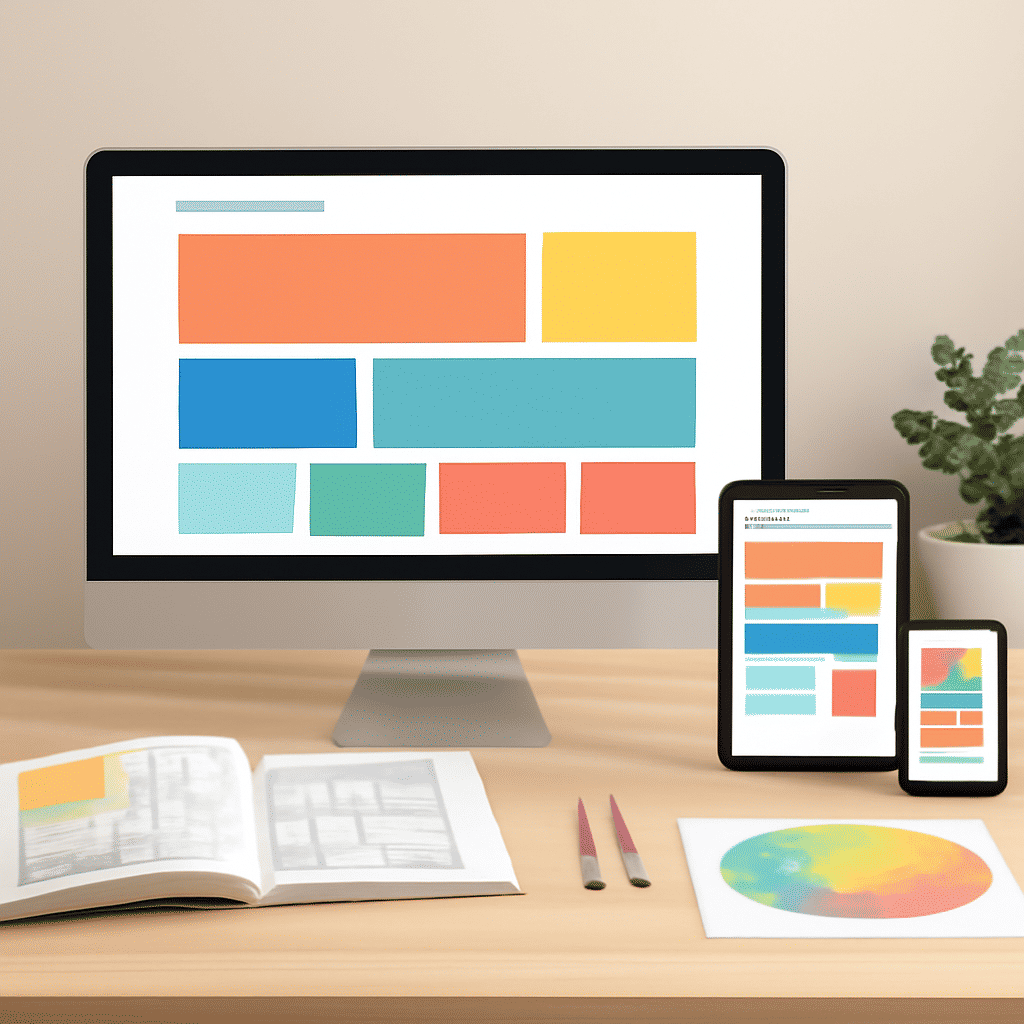
Mastering responsive design ensures your website looks and functions flawlessly across all devices
A focus on user experience prioritizes intuitive and seamless interactions for all visitors.
Ensuring web accessibility involves adopting practices that make the web inclusive for everyone.
“I never realized how critical web accessibility and responsive design were until I engaged with ShadeVibe's resources. It's now integral to my workflow.”
Emily Thompson
Web Developer
“Understanding design aesthetics and color theory for web has truly revamped the way I approach my projects, thanks to ShadeVibe's insights.”
Michael Lawson
Digital Designer
“Site navigation and web usability have become focal points in my design process, significantly improving the user experience of my sites.”
Sophia Hernandez
UX Designer
“Exploring HTML and CSS with ShadeVibe has deepened my skills, allowing me to build more robust and accessible web applications.”
James Carter
Frontend Developer
Discover how our principles of web design elevate your projects by enhancing site navigation, responsiveness, and overall user experience.
At ShadeVibe, we are passionate about sharing our expertise in web design to help create visually appealing, accessible, and user-friendly websites. Explore the experiences of our community members as they reflect on how our focus on design aesthetics, HTML and CSS standards, and color theory have transformed their understanding and execution of responsive design projects.

Learn how to create web designs that adapt seamlessly across devices, enhancing user experience without compromising aesthetics.
Read more
Discover the importance of designing websites that are accessible to all users, including those with disabilities, through practical guidelines.
Read more
Explore techniques to improve user experience through intuitive navigation, clear content layout, and harmonious design elements.
Read moreExplore the foundational principles of web design that enhance user engagement and accessibility. Learn the art of creating visually appealing, responsive, and accessible web pages that cater to diverse audiences. Our guide focuses on key elements such as navigation, aesthetics, and usability.
Learn the importance of designing websites that adapt to various devices for optimal viewing and interaction.
Enhance your website's user experience by focusing on intuitive navigation and accessibility features.
Implement web accessibility standards to ensure your site is inclusive for all users, including those with disabilities.
Utilize design aesthetics to create visually pleasing websites that harmonize colors, typography, and layout effectively.
Delve into the core elements that define effective web design and enhance user interaction.
Responsive design ensures that websites adjust smoothly to different screen sizes, enhancing user experience by making sites accessible on any device. This approach helps users have a consistent view, whether on a mobile phone or a desktop, improving web usability.
Web accessibility ensures that all users, including those with disabilities, can access and interact with a website effectively. By implementing these principles, designers create inclusive web experiences that follow guidelines such as the use of semantic HTML and proper ARIA roles.
HTML and CSS form the foundation of a website's structure and style. HTML provides the semantic structure of the content, while CSS enhances the visual presentation, allowing designers to implement design aesthetics like color theory for web and typography.
Site navigation allows users to explore and interact with a website efficiently. A well-structured navigation helps users find information quickly, improving their overall experience and ensuring they can access content easily without confusion.
We use cookies to enhance your user experience. By continuing to browse, you agree to our updated Privacy Policy, ensuring your data is protected and secure with us. Read our Privacy Policy